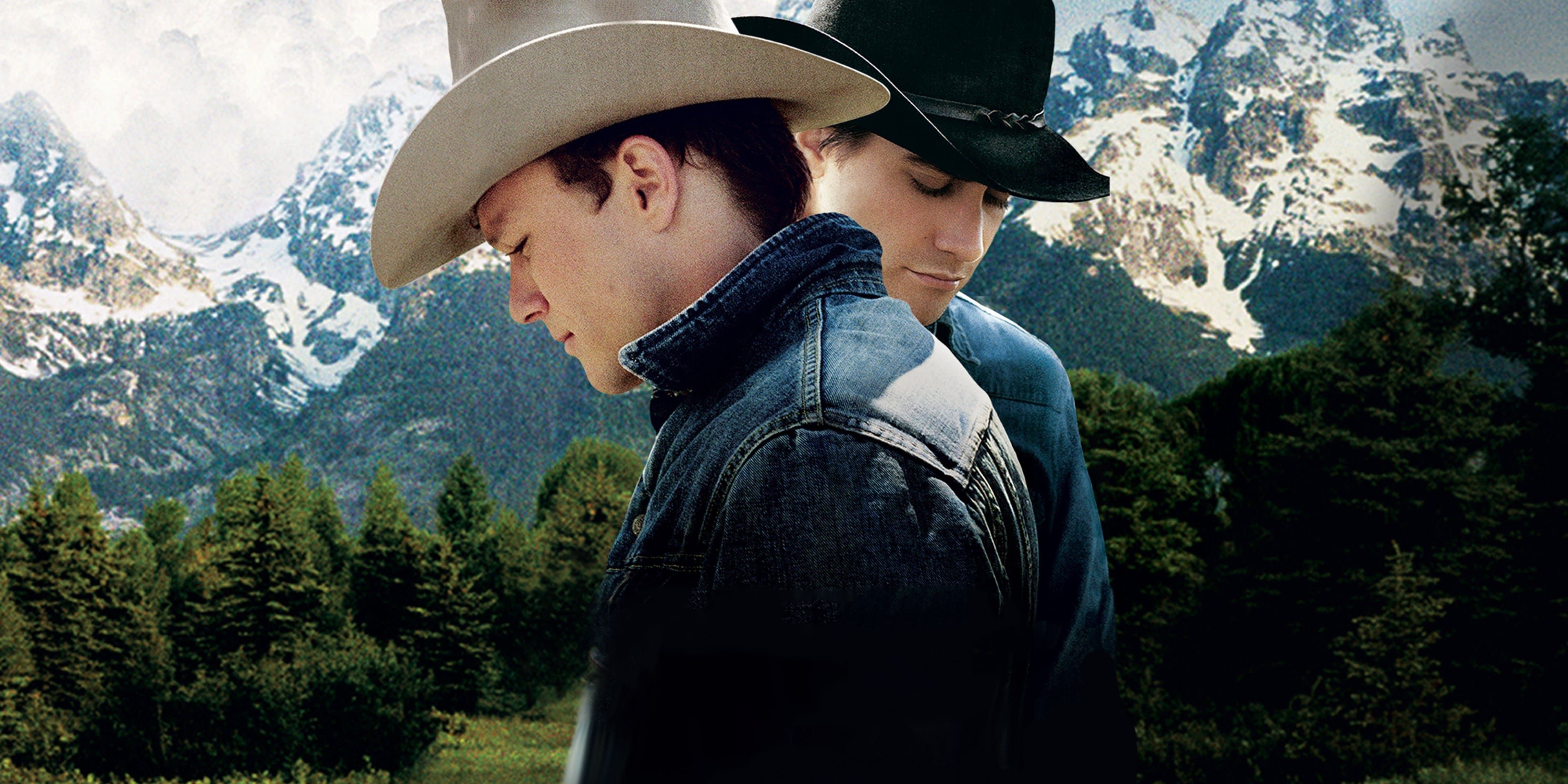
In Annie Proulx's Brokeback Mountain, the setting functions as both an emotional refuge and a societal cage, reflecting the two very different sides of Ennis and Jack’s relationship. Proulx contrasts the large-scale wilderness of the mountain with the small-scale, confining reality of the world below.
On a macro level, Brokeback Mountain itself represents liberation and suspended time. Up in the high-altitude isolation, the men are insulated from the homophobic constraints of 1960s rural Wyoming. Proulx describes this elevated sanctuary vividly, noting the transition "out above the tree line into the great flowery meadows and the coursing, endless wind." In these local scenes, the setting makes readers feel the freedom and energy of their connection. The mountain is an Edenic retreat where their love is naturalized by the wild and indifferent landscape, giving them a temporary escape from societal surveillance.
On the society level, the towns and ranches down below form a small-scale and domestic settings in Texas and Wyoming. It represents the harsh real world and social expectations for a man. Below the tree line, Ennis and Jack are forced into conventional marriages and traditional masculinity. Ennis feels the oppressive weight of a society where "if you can't fix it you've got to stand it." The physical settings mirror their sadness on living down on the plains which makes them feel just as trapped as hiding who they really are.
Thematically, the setting tells us what the story is truly about. The story represents us the destructive clash between authentic human desire and rigid societal norms. Ultimately, the spatial divide between the open mountain and the closed-off towns reinforces Proulx’s thoughts that their love is geographically bound to a place they can visit, but never permanently inhabit.