TOP1
Persona
This text analyzes Ocean Vuong’s poem "Someday I'll Love Ocean Vuong," focusing on the profound theme of self-parenting. The author observes that an older persona addresses the younger "Ocean," effectively splitting the self into a nurturing guide and a traumatized sufferer. Through direct, comforting commands like "don't be afraid" and "get up," the speaker helps his younger self navigate painful memories. This specific use of persona creates an intensely intimate reading experience, inviting the audience into a private space. Ultimately, the poem transforms the frightening realities of past trauma into an active, empowering process of self-healing.
70
0
0
TOP2
Neurons Among the Stars: Mapping Memory, Grief, and Human Biology
In Life on Mars, Tracy K. Smith uses the vastness of outer space as a profound metaphor for human grief. Written after her father's death, the collection bridges scientific concepts with emotional landscapes. In "Sci-Fi," Smith ironically imagines a flawless, immortal future, highlighting that our vulnerabilities and mortality are exactly what give life meaning. Meanwhile, "My God, It's Full of Stars" compares the mind to space, suggesting the emotional gravity of lost loved ones endures like ancient starlight. Ultimately, Smith transforms the cold universe into a deeply human mirror for navigating loss, making grief feel much less lonely.
51
0
3
TOP3
Goodbye Melody Rose
This text analyzes Khalil Fong’s eulogy song, "Goodbye Melody Rose," focusing on its poignant bilingual transition. While the English refrain offers a universal farewell, the shift to the Mandarin word "憔悴" (exhaustion) captures the intensely private, wearing nature of mental suffering preceding suicide. The author argues that Fong's lyrics profoundly challenge the cliché of perfect understanding. Instead, the song demonstrates that true empathy requires honestly admitting our inability to fully grasp another's internal pain. By acknowledging this cognitive limit, Fong replaces empty platitudes with the powerful, unconditional promise of presence despite the unknowable depths of another's grief.
33
0
0
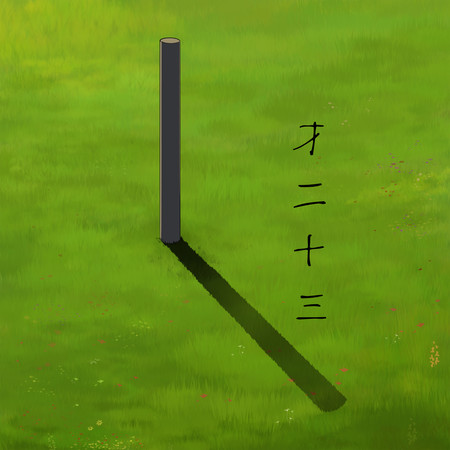
Just Twenty-Three
This analysis explores the tension between youth and loss in the song "Just Twenty-Three" (才二十三). Rather than portraying aging as a dramatic event, the text captures the "quiet kind" of loss that occurs unnoticed until it is complete. By examining the metaphor of life as a "spring breeze," the author highlights how the sudden realization of a "wide-open" world brings a sense of disorientation rather than excitement. Ultimately, the song reveals that growing up is a seamless, mundane process where the past inconspicuously merges into the present, leaving the individual to navigate an unfamiliar adulthood.
26
0
0