Based on the Poetry Foundation overview, the poetic forms act as the strict rules of how the poem should be structured. The purpose of these forms served as the guidance for the poets to focus more deeply on the content rather than limiting the writer, so poets can grow the poem within the framework. As Maggie Queeney explains, these forms ask us to "move past our first impulses".
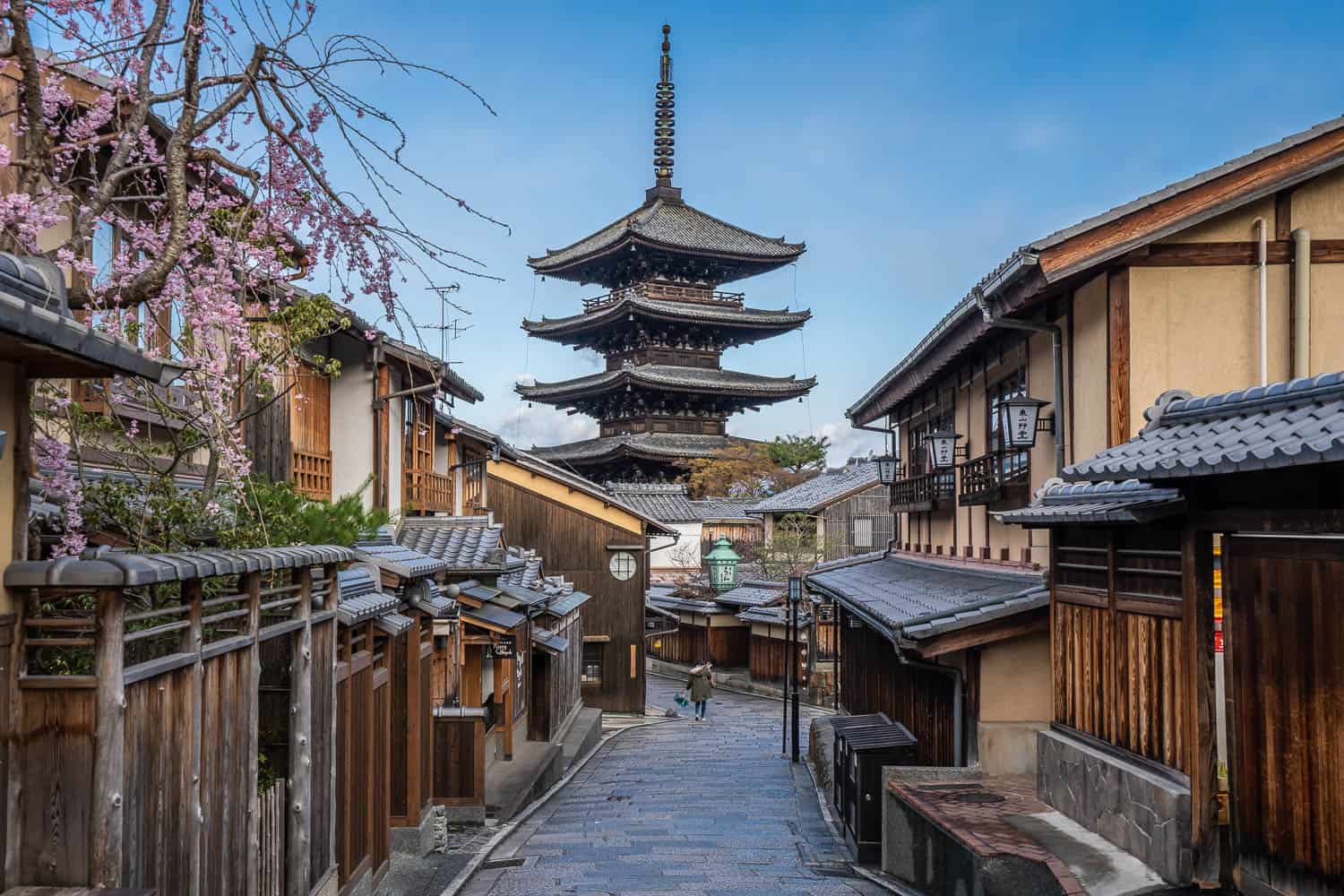
For this assignment, I chose Basho's"In Kyoto ...", written in the historical form haibun.
京にても
京なつかしや
ほととぎす
This form restricts the poet to expressing profound emotions within incredibly short lines. I have read the original text; therefore, I have some different interpretation to this poem. In the original poem, Basho longed Kyoto first. When he is in Kyoto, he longs for Kyoto while he hears the bird's cry. The line breaks split the poem into two parts: the author himself and the environment. By isolation"hearing the cuckoo", the form highlights the cultural context: in Japanese literature, cuckoo's cry means wistful longing. Hearing the cuckoo's cry makes the speaker realized the Kyoto he dreamed remains just beyond his reach, even though he is there. The repetition of Kyoto emphasized his emotional experience of feeling homesick for a place while right inside it. Moreover, haibun does not require words to be chosen with predictable rhyme scheme which makes the poem feels like the raw thought directly from Basho's mind.